A thermostat may be one of the smallest components in an HVAC system, but it has a major influence on indoor comfort. It tells the heating and cooling equipment when to operate, helps maintain the selected temperature, and can influence how efficiently the system runs.
When a thermostat becomes inaccurate, damaged, outdated, or incorrectly configured, homeowners may experience uncomfortable rooms, unnecessary system cycling, or inconsistent temperatures. Professional Thermostat Service can help identify these problems and ensure the thermostat works properly with the HVAC system.
With smart-home technology continuing to evolve in 2026, modern thermostats offer more control and convenience than traditional temperature controls. However, proper installation, configuration, and maintenance remain essential.
The thermostat acts as a control center for many HVAC systems. It monitors indoor temperature and sends signals to the equipment based on the selected settings.
A problem with the thermostat can affect how the entire system operates.
Potential symptoms include:
Because similar symptoms can be caused by other HVAC components, professional troubleshooting is important.
Recognizing thermostat issues early can help prevent continued discomfort and unnecessary HVAC operation.
If the thermostat displays a temperature that does not seem to match the actual room conditions, its sensor, placement, or calibration may need to be evaluated.
A thermostat that does not communicate correctly with the HVAC system may prevent the equipment from starting or stopping as expected.
If an air conditioner or heater repeatedly turns on and off, the thermostat could be one possible cause. However, airflow, equipment sizing, electrical issues, and other HVAC problems can produce similar symptoms.
A blank thermostat display may result from batteries, wiring, power, or internal component problems, depending on the thermostat type.
Professional Thermostat Service involves evaluating the thermostat and its relationship with the HVAC equipment.
Depending on the system, a technician may:
The exact service depends on the thermostat and HVAC system.
Even a properly functioning thermostat may provide inaccurate readings if it is installed in an unsuitable location.
For example, a thermostat exposed to direct sunlight, drafts, heat-producing appliances, or unusual airflow may detect a temperature that does not accurately represent the rest of the home.
Professional installation can help identify a location that better reflects typical indoor conditions.
Traditional thermostats allow users to control temperature manually, while programmable models can automatically adjust settings according to a schedule.
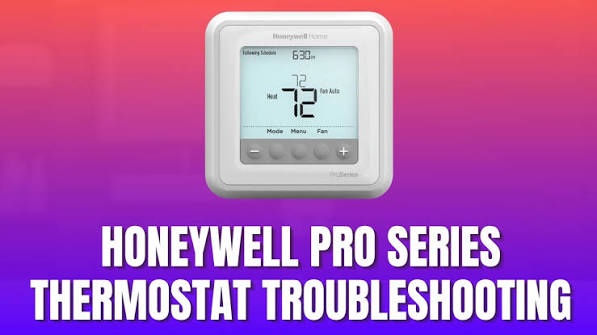
Smart thermostats take connected temperature control further.
Depending on the model, smart thermostats may offer:
These features can make HVAC management more convenient and may help homeowners better understand their heating and cooling habits.
A thermostat does not determine HVAC efficiency by itself, but accurate controls and sensible temperature schedules can support efficient operation.
A malfunctioning thermostat may cause the system to run longer than necessary or fail to maintain appropriate settings.
Professional Thermostat Service can help determine whether the thermostat is communicating correctly with the equipment.
Homeowners can also support efficient operation by:
Not every smart thermostat works with every HVAC system. Compatibility may depend on the equipment type, wiring, power requirements, heating and cooling stages, and control configuration.
This is especially important for:
Before purchasing a replacement thermostat, homeowners should verify that it is compatible with their existing equipment.
Professional installation can help avoid wiring or configuration problems.
Thermostats are particularly important in zoned HVAC systems. A property with multiple zones may use several thermostats or sensors to control different areas independently.
Zoning can be useful in homes with:
Proper thermostat configuration is essential for each zone to operate as intended.
Modern HVAC controls are becoming increasingly intelligent. Some thermostats can analyze usage patterns, provide equipment alerts, integrate with smart-home platforms, and allow remote access.
Advanced controls may help homeowners monitor:
However, technology should not replace professional HVAC care. A smart thermostat can identify or report certain conditions, but physical equipment still requires inspection and maintenance.
Professional evaluation may be appropriate when:
A technician can determine whether the thermostat is the source of the problem or whether another component requires attention.
Some thermostat problems may be resolved through troubleshooting, wiring corrections, battery replacement, or configuration adjustments.
In other cases, replacing an outdated thermostat may be more practical, especially if the existing control lacks features that are useful for the current HVAC system.
Homeowners should consider:
A professional can help determine whether repair or replacement is appropriate.
When searching for Thermostat Service, choose an HVAC professional who understands both conventional and modern connected controls.
Look for a provider offering:
A qualified technician should evaluate the thermostat together with the HVAC system rather than treating it as an isolated component.
A thermostat plays an important role in controlling indoor comfort and HVAC operation. When it becomes inaccurate, unresponsive, or incompatible with modern equipment, it can affect the performance of the entire system.
Professional Thermostat Service can help homeowners identify control problems, improve temperature management, configure modern thermostats, and ensure compatibility with their HVAC equipment.
In 2026, smart thermostats provide homeowners with greater control, remote access, scheduling options, and system information. Still, the best results come from combining modern technology with proper installation, appropriate settings, and regular HVAC maintenance.
Whether you are troubleshooting an existing thermostat or considering an upgrade, professional evaluation can help you choose a solution that supports reliable comfort and efficient HVAC operation throughout the year.

This post has been authored and published by one of our premium contributors, who are experts in their fields. They bring high-quality, well-researched content that adds significant value to our platform.