A practical wardrobe should make everyday dressing easier while leaving enough room for creativity. Rather than collecting clothing for individual occasions, many people prefer pieces that can be combined in several ways and adjusted to different situations. Modern streetwear supports this approach through relaxed silhouettes, wearable designs, and combinations that balance comfort with personal expression. Saint vanity fits naturally into this broader style conversation, where individuality comes from making thoughtful choices instead of following every passing trend.
Versatility does not mean wearing the same outfit every day. It means understanding how different garments can work together to create fresh combinations. A hoodie might become the foundation of a relaxed weekend look, while a jacket can introduce structure to the same clothing. With a few complementary essentials, it becomes possible to create a wardrobe that feels varied without becoming unnecessarily complicated.
Before adding new clothing, take a closer look at the pieces you already reach for regularly. These might include basic T-shirts, relaxed trousers, sweatshirts, hoodies, or casual outerwear. Identifying your most-used garments helps reveal your preferred colors, fits, and everyday needs. It also makes it easier to recognize which additions would genuinely improve your wardrobe.
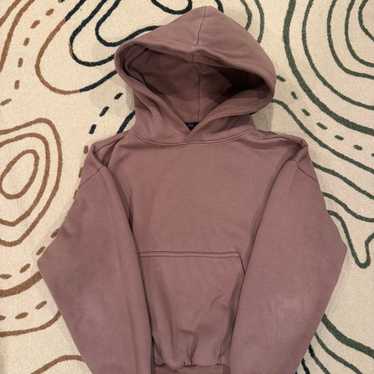
When considering Saint Vanity Hoodies, think about how each option could fit into your existing combinations. A neutral hoodie may pair with several bottoms, while a more distinctive design can provide a focal point for simpler outfits. Consider the garment's fit, fabric information, and care requirements before making a decision. The most useful piece is one that suits your preferences and can be worn comfortably in the situations you encounter most often.
Color coordination can make a wardrobe more flexible because compatible shades are easier to combine. Neutral colors often provide a useful starting point, but there is no need to restrict every outfit to black, grey, or white. Earthy tones, muted blues, and selected brighter shades can also work together when their relationships are considered carefully.
One practical approach is to choose a few main colors and use them across several clothing categories. For example, trousers in a neutral shade can work with different tops, while a jacket can connect with the colors already present in your outfit. Once the foundation is established, accessories or graphic pieces can introduce contrast. This approach creates variety while helping individual garments remain useful across multiple combinations.
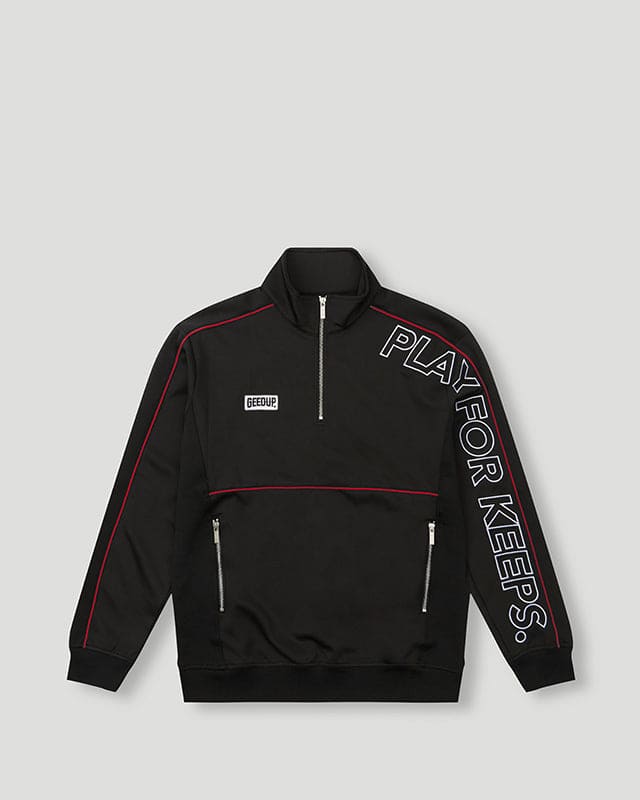
Outerwear often has a strong influence on the overall appearance of streetwear. A saint vanity jacket can contribute another layer to an outfit while helping define its shape. Depending on its design and weight, a jacket may work as a lightweight finishing piece or provide additional coverage over a hoodie when conditions require it.
To make outerwear more versatile, consider how it looks with several different base outfits. Try it with a simple T-shirt and denim, then test it with relaxed trousers and a sweatshirt. If the jacket works with multiple combinations, it is more likely to become a dependable part of your wardrobe. Pay attention to fit as well, especially if you intend to wear thicker layers underneath. Comfortable movement should remain a priority alongside appearance.
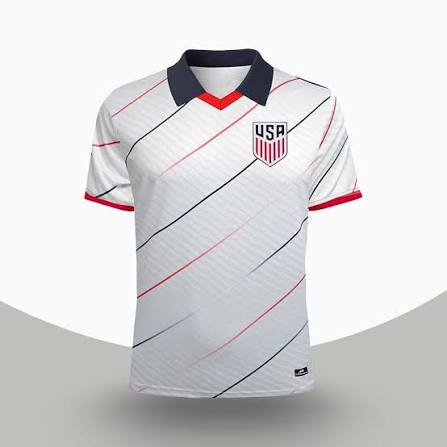
Matching clothing can simplify outfit planning, but its value extends beyond wearing two pieces together. A saint vanity set can provide a coordinated look when you want a straightforward outfit, while its individual garments may offer additional possibilities when styled separately. This flexibility makes matching clothing useful for people who want convenience without limiting their personal style.
Try wearing the top with different casual bottoms or combining the set's trousers with a separate T-shirt. You could also introduce a jacket to change the silhouette or add a contrasting color through your footwear. These adjustments can make familiar pieces feel different without requiring a completely new outfit. Before purchasing additional clothing, consider how many combinations you can create from the pieces you already own.
The fit of a garment affects how comfortably it wears and how it interacts with the rest of an outfit. Streetwear frequently uses relaxed shapes, but a successful combination still benefits from attention to proportion. A roomy hoodie with straight-leg trousers creates a different appearance from the same hoodie paired with wider bottoms. Neither choice is automatically better; the result depends on the silhouette you prefer.
Think about the overall outline of your outfit rather than evaluating each garment in isolation. If several pieces have substantial volume, you may want to use cleaner lines or simpler colors elsewhere. If your clothing is more fitted, a relaxed outer layer can add contrast. Trying different combinations in front of a mirror can help you identify proportions that feel natural and support comfortable movement throughout the day.
Versatile clothing should work with the way you actually live. Someone who spends much of the day moving between indoor and outdoor environments may benefit from easily adjustable layers. Someone who travels regularly might prioritize comfortable fits and garments that combine well without taking up unnecessary space. Understanding these routines helps turn general fashion ideas into useful wardrobe decisions.
For a casual day, a hoodie and relaxed trousers may provide a comfortable starting point. For a social setting, the same hoodie could be paired with a cleaner jacket, complementary footwear, and more deliberate color coordination. When temperatures change, adding or removing a layer can adjust the outfit without requiring a complete change. Small adaptations often provide more practical value than purchasing separate clothing for every situation.
Accessories can help establish a personal look, but they work best when they complement the clothing rather than compete with it. A cap, crossbody bag, simple watch, or understated jewelry can add another detail to a straightforward streetwear combination. Choosing accessories according to the outfit's colors and proportions creates a more connected appearance.
If your clothing includes prominent graphics or noticeable colors, simpler accessories may help maintain balance. If your outfit has a restrained palette, an accessory with a different texture or shape can introduce interest. You do not need to use every accessory at once. Selecting one or two suitable details can be enough to make a familiar combination feel more individual.
Building a versatile wardrobe becomes easier when each purchase has a clear purpose. Instead of choosing clothing only because it looks appealing on its own, consider how it will work with your existing pieces. A new garment should ideally create additional combinations, fill a practical gap, or offer a design that expresses your preferences in a useful way.
Check product descriptions for available information about materials, fit, construction, and care. Avoid assuming that garments with similar appearances will necessarily have identical qualities. If sizing information is available, review it carefully before ordering. A considered approach can help reduce unnecessary purchases and make it easier to maintain a wardrobe that suits your budget, lifestyle, and personal taste.
A versatile wardrobe contains pieces that can be combined in different ways for everyday activities and changing conditions. Compatible colors, practical layers, and suitable fits help individual garments serve several purposes.
There is no fixed number, but beginning with a few complementary colors can make coordination easier. You can introduce stronger shades gradually as you discover combinations that suit your style.
Yes. Wear a coordinated outfit together for a consistent appearance, or separate the pieces and combine them with other tops, bottoms, and outerwear.
Consider your regular activities, local weather, preferred fit, and how often you expect to wear each item. Choose pieces that meet practical needs while reflecting your personal preferences.
Review your existing wardrobe before shopping and identify what is missing. Consider whether a potential purchase will work with several pieces you already own rather than only one specific outfit.
A modern wardrobe becomes more useful when its pieces support one another. Hoodies, jackets, coordinated clothing, and everyday basics can provide a strong foundation for experimenting with color, fit, and layering. By choosing garments that suit your routine and work well together, you can develop a personal style without relying on constant purchases.
Ultimately, versatile fashion is about making deliberate decisions. Understanding your preferred silhouettes, caring for clothing properly, and looking for new combinations among familiar pieces can transform the way you approach everyday dressing. The result is a wardrobe that offers flexibility, comfort, and enough creative freedom to reflect your individuality.

Descubre qué revisar al comprar Dandy Hats por internet: diseños, ajuste, precios, envíos y consejos para elegir tu gorra urbana ideal.