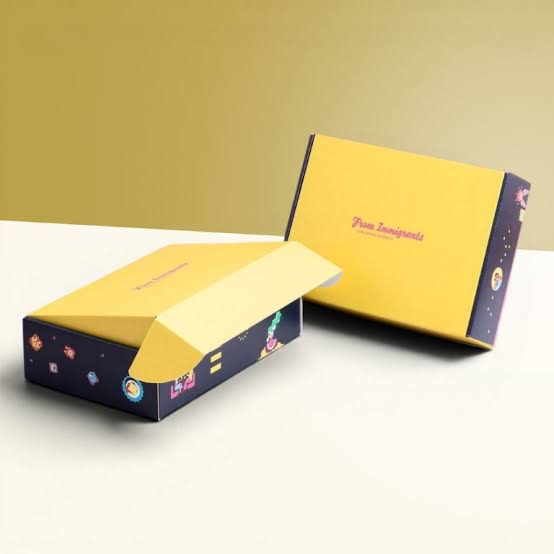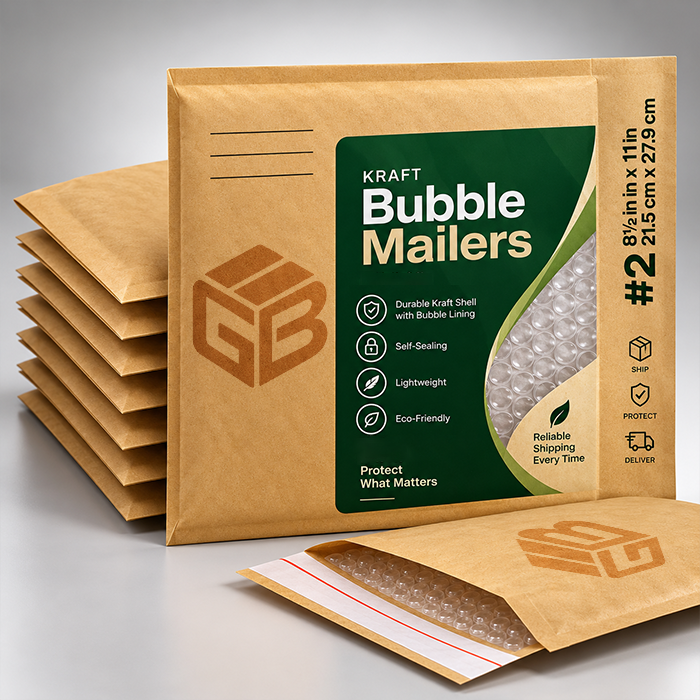
A delivery package should suit the item inside and feel connected to the business sending it. Custom bubble mailers bring branding into that everyday shipping experience, combining an outer design with an interior cushioning layer. The logo, colors, and printed details can establish a recognizable presentation, while the size and construction need to follow the product’s requirements.
The starting point is suitability. Before choosing artwork, establish what the mailer will hold, how it will be packed, and whether it is appropriate for the intended journey. An appealing design should complement a sound packaging choice, not replace one.
Build the packaging brief around everything that will go into the custom bubble mailers. Include the product, its retail packaging, any protective wrapping, and accompanying cards or documents.
Measure the contents in their final packed arrangement rather than relying on individual product dimensions. An item’s thickness and shape should be considered alongside its length and width.
A useful brief should cover:
The dimensions and weight of the complete contents
The number of items per order
Any additional protection or inner packaging
The preferred closure arrangement
Branding and shipping-label requirements
The intended delivery process
These details give the supplier a practical starting point.
Confirm whether quoted dimensions refer to the exterior of the mailer or its usable internal space. Account for seams, the closure area, and the room needed to insert the contents comfortably.
Test a sample with the actual packed product. The item should slide inside without forcing the edges or preventing the flap from closing properly.
Avoid selecting a mailer that is unnecessarily large simply to create more printing space. Equally, do not choose a tight fit that makes packing difficult.
If several products will share one mailer size, review each arrangement before approving a standard format.
Ask the supplier to identify the outer material, cushioning layer, seams, adhesive, and any additional components.
Do not judge performance from appearance alone. Discuss the contents, handling conditions, and intended delivery method, then request information relevant to that application.
If moisture resistance or another specific characteristic is important, ask what supports the proposed specification. Avoid extending a statement about one component to the entire finished mailer without confirmation.
Keep the approved construction documented so repeat orders can be checked consistently.
An interior cushioning layer should not automatically be treated as sufficient protection for every item. Review the product’s shape, vulnerable areas, and existing packaging before deciding whether a bubble mailer is appropriate.
Consider whether the contents need additional support or a different packaging format. The choice should follow the product rather than a preference for one style of branded packaging.
Run a realistic packing and handling trial using the complete arrangement. Record concerns such as movement, pressure points, or changes to the product’s presentation.
Ask what further assessment is appropriate for the intended delivery conditions.
Review the closure using a filled sample. Check that the flap reaches its intended position and can be secured without awkward pressure or repeated adjustment.
Ask for the supplier’s instructions on applying the adhesive closure, including any relevant storage or handling conditions.
If a second adhesive strip or return feature is proposed, test the full opening and reclosing sequence. Make sure its purpose is clear to both packing staff and recipients.
Do not describe an ordinary closure as a specialized security feature without appropriate verification.
Plan the logo, graphics, and text on the assembled mailer rather than treating the design as a flat poster.
Keep important details away from seams, folds, and the closure flap unless their placement has been checked carefully. Consider how the surface will look once the contents are inside.
A restrained design might use a single logo and a limited color palette. A more expressive direction could include illustrations or a repeating pattern.
The artwork should remain connected to the business’s established identity and other packaging materials.
Shipping-label placement should be part of the original layout. Choose a clear area that can accommodate the labels used during fulfillment without covering essential information.
Include any additional routing or order labels in the sample review. Check their position on every proposed mailer size rather than assuming one layout will work across the range.
If the mailer carries a customer message, place it where it will remain visible after labeling and closure.
Review the finished package as the recipient will actually receive it, not only as an unfilled printed sample.
Custom bubble mailers offer room for a short thank-you, a brand statement, or useful opening guidance. Choose wording that serves a clear purpose.
Avoid filling every surface with promotional text. A brief message can suit the format better than several competing statements.
Check spelling, contact details, and any product-related wording before approval. Claims about protection, security, or environmental benefits should have an appropriate basis.
The printed message should accurately represent the finished packaging rather than suggest characteristics that have not been established.
Request supporting information before describing the mailer as recyclable, compostable, or environmentally preferable.
Any statement should relate to the complete construction and relevant disposal conditions. Do not assume that a claim about the outer layer also applies to the cushioning or adhesive.
If components require separate handling, make any guidance clear and appropriately qualified. Avoid using decorative symbols in a way that could be mistaken for verified certification.
Specific wording is more useful than a broad environmental promise.
Ask the fulfillment team to Custom printed Bubble mailer sample orders using the actual contents, labels, and closure process.
Look for difficult insertion, inconsistent sealing, awkward label placement, or steps that require repeated adjustment. Check that staff can distinguish different mailer sizes quickly.
Before production, review the physical sample alongside the artwork proof. Confirm dimensions, construction, printing, spelling, and label areas.
Compare quotations using matching specifications, and choose quantities that reflect realistic demand and storage space.
Custom bubble mailers work best when product needs and branding are considered together. Appropriate sizing, a suitable construction, and a tested packing process give the printed design a practical foundation while keeping the delivery experience consistent with the business behind it.

This post has been authored and published by one of our premium contributors, who are experts in their fields. They bring high-quality, well-researched content that adds significant value to our platform.