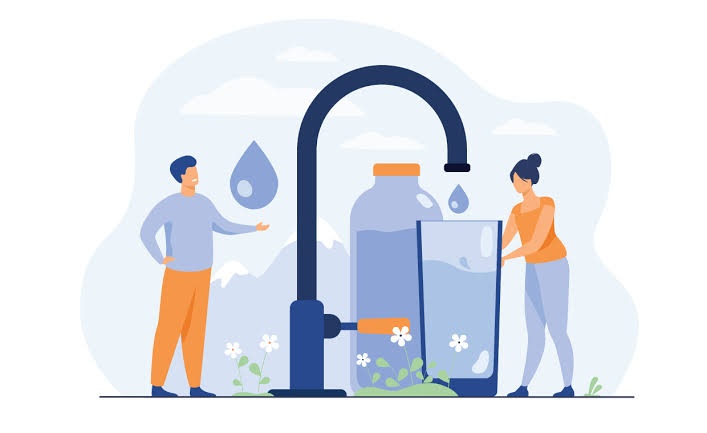
Clean water is one of the most important features of any home, yet it is often taken for granted. Homeowners use water every day for drinking, cooking, bathing, cleaning, and other household activities. While clear, odorless water may appear perfectly normal, certain concerns cannot be identified simply by looking at or tasting the water.
For Florida homeowners, understanding the condition of a property's water supply can be especially valuable. Local environmental conditions, private wells, plumbing materials, and changes in groundwater can all influence water quality. Professional water quality testing can provide useful information about what is present in a home's water and whether additional evaluation may be appropriate.
Water travels through multiple stages before reaching a household faucet. Depending on the property, it may come from a municipal supply, private well, or another source. Along the way, the water can interact with pipes, fixtures, storage systems, and surrounding environmental conditions.
A home's water may look clean while still containing substances that require laboratory analysis to detect. This is why relying solely on appearance or taste is not always enough.
Testing can provide homeowners with objective information and help them determine whether further investigation, filtration, plumbing repairs, or other measures should be considered.
Many Florida properties rely on private wells rather than municipal water systems. Unlike public water supplies, private wells are generally the homeowner's responsibility to maintain and monitor.
Changes in groundwater conditions, flooding, nearby land use, damaged well components, or inadequate protection around the well can potentially affect water quality.
Homeowners with private wells should understand the recommendations and requirements that apply to their specific location and water source. Regular evaluation can also establish a useful record of water conditions over time.
The appropriate testing panel depends on the property's circumstances and the reason for testing. Different tests can evaluate different characteristics of water.
Depending on the situation, testing may examine factors such as:
Not every property needs every possible test. A qualified professional or laboratory can help determine which analyses are appropriate based on the water source, property history, location, and intended purpose of the testing.
There are several situations when homeowners may want to evaluate their water.
A property owner may consider testing when purchasing a home, particularly if the property uses a private well. Testing can provide additional information before completing a major real estate investment.
Homeowners may also consider evaluation after flooding, changes in taste or odor, plumbing problems, well repairs, or other events that could potentially affect the water supply.
Families moving into an older property may also want baseline information about the water before settling in. Establishing a starting point can make future changes easier to identify.
A home purchase involves evaluating far more than the property's appearance. Buyers typically want to understand the condition of major systems and features before making a long-term commitment.
Water is an important part of that process. A general home inspection may identify visible plumbing concerns, but laboratory analysis of the water itself is a separate service.
Professional water quality testing can complement a home inspection by providing information that cannot be obtained through a visual evaluation alone.
Buyers can then discuss the results with appropriate professionals and determine whether additional action is necessary.
A noticeable change in household water should not automatically be assumed to be harmless.
Unusual odors, discoloration, sediment, cloudiness, or changes in taste can have many possible causes. Some may be related to plumbing or harmless minerals, while others may warrant further investigation.
The important point is to avoid guessing. If a change persists or appears suddenly, homeowners should consider having the water evaluated and determining the appropriate next step.
Another common misunderstanding is assuming that installing a filtration system eliminates the need for testing.
Filtration products are designed for specific purposes, and their effectiveness depends on the contaminants or characteristics they are intended to address. Without knowing what is actually present, homeowners may choose a treatment system that does not address their particular concern.
Testing first can help homeowners make more informed decisions about whether treatment is necessary and what type may be appropriate.
Good water quality management involves more than testing the water itself. Homeowners should also pay attention to the condition of wells, pressure tanks, plumbing fixtures, water heaters, filters, and other related components.
Leaks should be addressed promptly, filters should be maintained according to manufacturer recommendations, and private wells should receive appropriate professional attention.
Keeping records of previous test results, repairs, and maintenance can also help homeowners recognize changes over time.
There is no universal testing package that is perfect for every home. Water sources and property conditions vary considerably.
Homeowners should select a reputable testing provider and understand what the selected analysis covers. Results should be reviewed carefully, particularly when a potential concern is identified.
If laboratory results indicate an issue, the appropriate response may involve additional testing or consultation with a qualified water-treatment professional, plumber, environmental specialist, or other expert depending on the finding.
Water is one of the most frequently used resources in a home, making its condition an important consideration for responsible property ownership. Regular attention can help homeowners recognize changes and make decisions based on reliable information rather than assumptions.
For Florida homeowners in 2026, water quality testing can be a practical way to better understand a property's water supply, particularly when buying a home, maintaining a private well, or investigating an unexpected change.
The goal is not simply to test for the sake of testing. It is to gain useful information, understand the property's needs, and take appropriate action when necessary. Combined with regular plumbing and well maintenance, professional evaluation can give homeowners greater confidence in the water they depend on every day

This post has been authored and published by one of our premium contributors, who are experts in their fields. They bring high-quality, well-researched content that adds significant value to our platform.