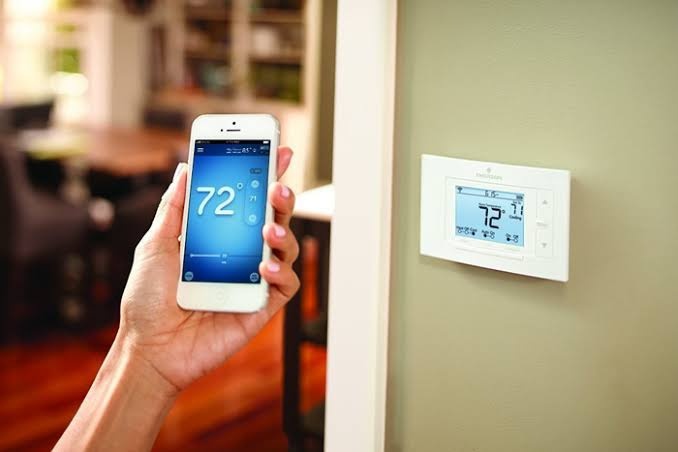
Heating and cooling systems have become significantly more advanced over the past decade. Today's thermostats do much more than control temperature. They help homeowners manage energy consumption, automate schedules, monitor system performance, and integrate with smart-home technology. While these features improve convenience and efficiency, they can also create situations where troubleshooting becomes necessary.
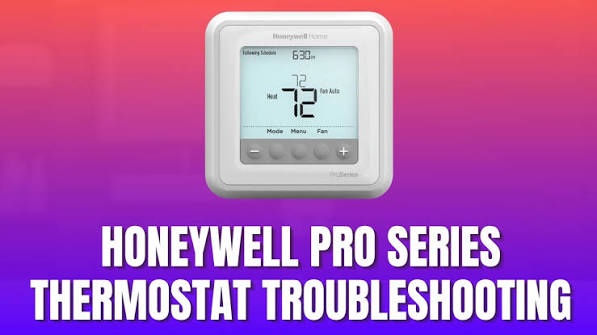
One of the most common maintenance tasks homeowners encounter involves a honeywell home thermostat reset. Whether a thermostat becomes unresponsive, loses connectivity, displays incorrect settings, or fails to communicate properly with HVAC equipment, a reset may help restore normal operation. Understanding why resets are sometimes necessary can help homeowners respond quickly when problems arise.
As smart HVAC technology continues evolving in 2026, knowing how thermostat systems function has become an important part of home maintenance and energy management.
A thermostat acts as the control center for the entire heating and cooling system. It continuously monitors indoor temperatures and sends commands to HVAC equipment based on user settings.
Modern thermostats often provide:
Because so many functions rely on software, sensors, and connectivity, occasional operational issues can occur.
Fortunately, many common problems can be resolved through basic troubleshooting procedures.
Thermostat issues do not always indicate a major HVAC failure. In many situations, the problem originates within the thermostat itself.
Electrical outages, tripped breakers, or temporary voltage fluctuations can sometimes affect thermostat performance.
Like many electronic devices, thermostats occasionally experience software-related issues that interfere with normal operation.
Smart thermostats rely on wireless networks and connected devices. Communication interruptions can occasionally cause unexpected behavior.
Changes to schedules, temperature preferences, or system modes may create confusion about how the equipment is operating.
Problems within the heating or cooling system can sometimes appear to be thermostat-related even when the root cause lies elsewhere.
Understanding these possibilities helps homeowners approach troubleshooting more effectively.
A thermostat reset is often used to restore factory settings or clear temporary operating issues.
Situations where a reset may help include:
For many homeowners, performing a honeywell home thermostat reset serves as a practical first step before scheduling professional service.
However, a reset should not be viewed as a permanent solution if underlying equipment issues continue to exist.
Taking a structured approach to troubleshooting can provide several advantages.
Simple issues may be resolved without the need for immediate service calls.
Restoring thermostat functionality quickly helps maintain indoor comfort.
Homeowners gain valuable knowledge about how HVAC systems operate.
Identifying minor issues early can help prevent larger problems from developing.
While some situations require professional assistance, many routine concerns can be addressed through basic diagnostic steps.
Thermostats play a critical role in managing household energy consumption.
A properly functioning thermostat helps:
Even minor performance issues can affect energy usage. For example, inaccurate temperature readings may cause the system to run longer than necessary.
Because energy efficiency remains a major priority for homeowners in 2026, maintaining thermostat performance is becoming increasingly important.
The thermostat industry is rapidly evolving alongside broader smart-home trends.
Today's systems frequently include:
These innovations provide greater convenience but also introduce additional software and connectivity components that occasionally require troubleshooting.
As technology becomes more sophisticated, homeowners are becoming more proactive about understanding device maintenance and operational procedures.
Regular HVAC maintenance remains one of the best ways to avoid thermostat-related issues.
Recommended maintenance practices include:
Restricted airflow can create performance problems throughout the HVAC system.
Annual inspections help identify developing issues before they become major repairs.
Battery-powered thermostats should be checked periodically to prevent unexpected shutdowns.
Smart thermostats often receive updates that improve stability and functionality.
Loose wiring or damaged connections can interfere with communication between the thermostat and HVAC equipment.
These simple maintenance habits contribute to greater reliability and longer equipment life.
Several industry trends are shaping residential heating and cooling systems this year.
Many thermostats now learn homeowner preferences and automatically optimize comfort settings.
Advanced systems can detect unusual operating patterns and provide early warnings about potential issues.
Homeowners continue investing in technologies that reduce utility expenses and environmental impact.
Smartphone applications allow users to monitor and adjust system settings from virtually anywhere.
These developments are making HVAC systems more intelligent while increasing the importance of proper device management.
While troubleshooting can resolve many issues, some situations require expert assistance.
Professional evaluation may be necessary when:
If a honeywell home thermostat reset temporarily resolves a problem but the issue quickly returns, the underlying cause may involve the HVAC equipment itself rather than the thermostat.
Prompt professional diagnosis can help prevent additional complications and protect system performance.
Modern thermostats serve as the command center for today's heating and cooling systems, making their reliability essential for comfort and energy efficiency. While occasional operational issues are normal, many can be addressed through basic troubleshooting and maintenance practices.
Understanding when a reset may be appropriate, recognizing common causes of thermostat problems, and maintaining HVAC equipment properly can help homeowners avoid unnecessary disruptions. As smart-home technology continues advancing throughout 2026, informed homeowners will be better prepared to maximize comfort, improve efficiency, and maintain dependable system performance year-round.

This post has been authored and published by one of our premium contributors, who are experts in their fields. They bring high-quality, well-researched content that adds significant value to our platform.