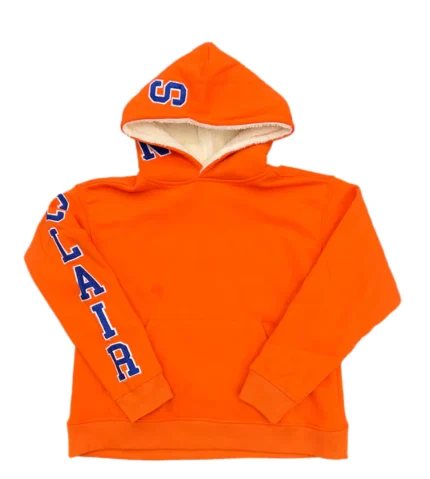
Layering is one of the easiest ways to make everyday clothing look more stylish without sacrificing comfort. A hoodie provides a practical foundation for a casual outfit because it offers warmth, a relaxed fit, and plenty of styling possibilities. When combined with jackets, T-shirts, jeans, or other wardrobe essentials, it can create a balanced look that works for different seasons and everyday activities. The key is choosing pieces that complement one another in color, fit, and fabric rather than adding layers simply for the sake of appearance.
Modern casual fashion often combines relaxed silhouettes with simple, versatile clothing that feels natural to wear. A hoodie can fit into this approach whether you prefer minimalist outfits, contemporary streetwear, or a slightly more polished casual look. By understanding how to combine different garments, coordinate colors, and manage proportions, you can build layered outfits that look intentional and remain comfortable throughout the day.
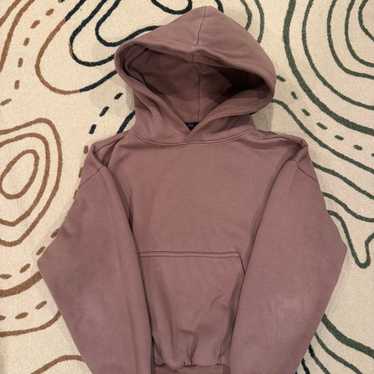
The hoodie is usually the central piece of a layered outfit, so its fit and fabric should suit the other garments you plan to wear. A regular-fit hoodie works well beneath denim jackets, lightweight coats, and structured outerwear because it provides a comfortable shape without creating excessive bulk. Oversized hoodies offer a more relaxed streetwear appearance, but they generally work best with roomier jackets that allow enough space for the extra fabric.
Color is another important consideration when choosing a hoodie for layering. Neutral shades such as black, gray, beige, navy, and white are versatile because they can be paired with a wide range of outerwear and trousers. If you prefer a more expressive style, a hoodie with a graphic print or brighter color can become the focal point of the outfit. Sinclair Clothing is one brand to explore when researching contemporary casualwear and streetwear styles that can fit into a versatile everyday wardrobe.
Wearing a T-shirt underneath a hoodie creates a simple foundation for a casual outfit. This combination adds an extra layer without making the clothing feel too heavy, which can be useful during mild weather or when moving between indoor and outdoor environments. A plain white or black T-shirt is a reliable choice because it complements most hoodie colors and keeps the outfit looking coordinated.
For a relaxed appearance, allow a small amount of the T-shirt hem to show beneath the hoodie. This creates a subtle difference in length and adds dimension to the outfit. However, the proportions should remain balanced. A long T-shirt paired with an oversized hoodie can work well for streetwear, while a shorter, well-fitting base layer may suit a cleaner casual style. Choose lightweight materials underneath the hoodie to avoid unnecessary bulk and maintain comfort throughout the day.
A denim jacket is a classic outer layer that works naturally with hoodies. The combination brings together the relaxed comfort of a sweatshirt-style garment and the structured appearance of denim. A blue denim jacket over a gray hoodie creates a timeless casual look, while a black denim jacket paired with a black or white hoodie offers a more understated, contemporary appearance. These combinations are easy to wear with jeans, chinos, or relaxed trousers.
When selecting a denim jacket, consider the hoodie’s thickness and silhouette. A standard-fit hoodie usually fits comfortably under a jacket with enough room through the shoulders and sleeves. If you prefer an oversized hoodie, choose a slightly roomier denim jacket to prevent the layers from feeling restrictive. Keep the remaining pieces relatively simple so the contrast between the denim and hoodie remains the main feature of the outfit.
Bomber jackets are another practical option for modern casual layering. Their compact shape and sporty appearance complement hoodies, making them suitable for everyday streetwear and relaxed urban outfits. A black bomber jacket over a gray hoodie creates a balanced combination, while an olive or navy bomber can add color without making the outfit difficult to coordinate.
For a clean result, pair this combination with straight-leg jeans or simple cargo trousers and sneakers. If both the hoodie and jacket have bold graphics or prominent details, consider choosing more understated trousers to maintain visual balance. The bomber jacket should also provide enough room for comfortable movement, especially around the shoulders and arms. This combination is useful when you want an outfit that feels casual but looks more considered than a hoodie worn on its own.
Oversized silhouettes are a familiar feature of modern streetwear, offering comfort and a distinctive visual shape. An oversized hoodie can work well beneath a roomy coach jacket, relaxed utility jacket, or loose-fitting coat. The combination creates a layered appearance without forcing the clothing into a narrow silhouette. Pairing these layers with straight-leg or wide-leg trousers can help maintain a consistent look from top to bottom.
The main challenge is avoiding excessive bulk. If your hoodie is already thick and oversized, a lighter outer layer may provide enough contrast without making the outfit uncomfortable. Pay attention to sleeve lengths, shoulder placement, and the overall length of each garment. You can also balance a loose upper half with more streamlined trousers if you prefer a slightly neater appearance. The best proportions are those that feel intentional while allowing you to move comfortably.
Color coordination helps different layers look like parts of the same outfit. Neutral shades are an effective starting point because they make mixing and matching easier. For example, a beige hoodie, black jacket, and dark denim create a balanced combination, while a gray hoodie under a navy jacket offers a subtle contrast. These combinations are versatile enough for regular wear and can be adapted with different footwear.
You do not need every layer to match exactly. In fact, using different but complementary shades can make an outfit more interesting. A light-colored hoodie beneath a darker jacket creates clear separation between the garments, while similar shades can produce a more understated appearance. If your hoodie includes a bright graphic or a strong color, allow it to stand out by keeping the outerwear and trousers relatively simple. This approach creates visual interest without making the outfit feel crowded.
Layering becomes more effective when the fabrics provide some contrast. A cotton hoodie can be paired with denim, nylon, canvas, or wool-blend outerwear to create a more dimensional appearance. Each material has its own texture, so combining different fabrics can make a simple color palette feel more interesting without relying on large graphics or multiple patterns.
Consider the practical properties of each material as well. Lightweight cotton works well as a base layer, while heavier fabrics can provide additional warmth during cooler weather. Smooth outerwear can contrast nicely with the soft surface of a fleece hoodie, while denim introduces a more structured texture. Try to avoid combining too many thick layers at once, as this may restrict movement and make the outfit feel uncomfortable. A thoughtful mix of materials can create a stylish result while preserving everyday practicality.
The trousers you choose can influence how balanced a layered hoodie outfit appears. Jeans are a reliable option because they work with most hoodies and casual jackets. Straight-leg denim creates a classic silhouette, while relaxed jeans complement oversized upper layers. Dark denim tends to look understated, whereas lighter washes can create a more casual appearance.
Cargo trousers and chinos offer additional alternatives. Cargo trousers work well with streetwear-inspired layers because their utility details and relaxed fit complement hoodies and bomber jackets. Chinos can create a cleaner casual look when paired with a simple hoodie and structured outerwear. Consider the overall proportions when making your choice. If your upper layers are loose, straight-leg or relaxed trousers can maintain the outfit’s shape, while a more streamlined fit may create contrast if that better suits your style.
Footwear helps connect the different elements of a layered outfit. Sneakers are a natural choice because they complement the relaxed character of hoodies and casual outerwear. Simple white sneakers work well with neutral layers, while black sneakers create a more understated appearance. Chunkier footwear can complement oversized streetwear, whereas streamlined designs may suit outfits built around classic denim jackets and regular-fit hoodies.
Boots can also work with layered casual clothing, especially during cooler months. A simple pair of casual boots combined with dark jeans, a hoodie, and a structured jacket creates a more substantial appearance without becoming overly formal. The important thing is to choose footwear that matches the overall style and suits the conditions in which you will wear the outfit. Keeping shoes clean and in good condition can also make a noticeable difference to the final appearance.
Hoodie layering can be adjusted throughout the year by changing the weight of the fabrics and the number of garments. During mild weather, a lightweight T-shirt under a hoodie may provide enough warmth, while a denim jacket can be added when temperatures drop. This flexible approach makes it easy to adjust your outfit without completely changing your clothing.
In colder conditions, combine a thicker hoodie with a suitable coat or insulated jacket. Choose layers that allow comfortable movement and avoid adding so much bulk that the clothing becomes restrictive. In warmer environments, lightweight hoodies and breathable base layers can offer a more comfortable alternative to heavy combinations. Sinclair Global can be explored alongside other contemporary clothing labels when looking for casual pieces that suit your preferences. Always consider the weather, fabric thickness, and intended activity when putting together a layered outfit.
One common mistake is choosing layers that are too tight or too bulky to work comfortably together. A hoodie should fit naturally beneath the outer garment, leaving enough space around the shoulders, arms, and chest. If the sleeves bunch up excessively or the jacket becomes difficult to close, consider using a thinner hoodie or a roomier outer layer. Comfort is essential because even a visually appealing outfit will be difficult to enjoy if it restricts movement.
Another mistake is introducing too many competing colors, patterns, or oversized pieces. A graphic hoodie, patterned jacket, bright trousers, and heavily detailed footwear can make an outfit appear visually crowded. Instead, select one main feature and allow the remaining garments to support it. A few coordinated layers, suitable proportions, and complementary colors will generally create a more effective result than adding multiple statement pieces.
Layering hoodies for a modern casual outfit is a practical way to add variety, comfort, and visual interest to everyday clothing. By combining a hoodie with T-shirts, denim jackets, bomber jackets, or relaxed outerwear, you can create different looks using familiar wardrobe essentials. Coordinating colors, mixing textures, choosing suitable trousers, and selecting the right footwear all contribute to a balanced appearance.
The best approach is to build your outfit around your personal style and the conditions in which you plan to wear it. Lightweight layers work well for mild weather, while thicker fabrics and suitable outerwear provide additional warmth when needed. Whether you prefer minimalist casualwear or contemporary streetwear, a well-chosen hoodie can become a versatile foundation for countless combinations. With a little experimentation, you can develop a layering approach that feels natural, looks cohesive, and supports your everyday lifestyle.

Descubre qué revisar al comprar Dandy Hats por internet: diseños, ajuste, precios, envíos y consejos para elegir tu gorra urbana ideal.